
What is azelaic acid? What effects does it provide?
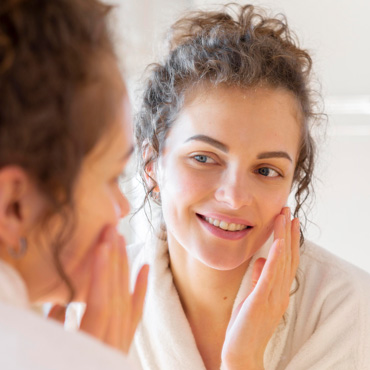
Azelaic acid is a chemical compound gaining increasing popularity in the field of skincare. Its diverse properties make it an attractive ingredient in skincare products. In today's post, we will discuss what azelaic acid is, what effects its use can bring, and how best to use it in daily skincare.
What is azelaic acid?
Azelaic acid is an organic chemical compound that occurs naturally in the skin. It can also be produced synthetically and is used in skincare products. It is a compound characterized by many beneficial properties for the skin. It is one of the fruit acids used in cosmetics, but it differs from more popular acids such as salicylic acid or glycolic acid.
Azelaic acid – what effects does it provide?
Using azelaic acid can bring many benefits to the skin. Here are some main effects that can be achieved by using this compound:
- Acne treatment
Azelaic acid is often used to treat acne. Its anti-inflammatory properties help reduce redness and swelling that often accompany acne. Furthermore, azelaic acid can help exfoliate dead skin cells, which helps unblock pores and prevent the formation of new breakouts. - Reducing discoloration
Azelaic acid has the ability to lighten skin discolorations, such as pigment spots, post-acne marks, and age spots. Regular use of azelaic acid can help even out skin tone. - Regulation of sebum production
Azelaic acid can help control excessive sebum secretion, which is particularly beneficial for people with oily or combination skin. - Reduction of pore visibility
Azelaic acid can help reduce the visibility of pores, leading to smoother and more uniform skin. - Rosacea treatment
Azelaic acid is also used in the treatment of rosacea because it helps reduce skin redness and swelling.
Azelaic acid – what not to combine with?
Although azelaic acid has many advantages, there are certain things to consider when using it in daily skincare. Here are a few things worth knowing:
- An excessive amount of azelaic acid can irritate the skin. Always follow the manufacturer's recommendations regarding the amount of product to apply.
- If you are already using products containing other acids, such as glycolic acid or salicylic acid, be careful when combining them with azelaic acid. Do not combine them without consulting a dermatologist to avoid skin irritation.
- Azelaic acid can sensitize the skin to the sun. Therefore, always use a cream with an SPF filter to protect the skin from UV radiation.
Azelaic acid – how to use?
Using azelaic acid in skincare is relatively simple. Here are the steps worth considering:
- Always start by thoroughly cleansing the skin. Use a mild soap or face wash gel.
- Apply azelaic acid to clean, dry skin. Make sure you use it according to the manufacturer's instructions.
- After applying azelaic acid, wait a few minutes before applying subsequent skincare products, such as moisturizing cream or sunscreen.
- Azelaic acid can irritate the eyes, so avoid contact with them.
Azelaic acid – what else is worth paying attention to?
Before starting to use azelaic acid, it is worth consulting a dermatologist, especially if you have sensitive skin or are prone to allergic reactions. This is particularly important if you plan to combine azelaic acid with other skincare products. A dermatologist can help select the appropriate dose and care plan tailored to your individual needs.
Azelaic acid – effects. Summary
In summary, azelaic acid is an ingredient that can bring many benefits to the skin, including acne treatment, reduction of discoloration, and regulation of sebum production. However, as with any new skincare product, it is important to use it carefully and according to the manufacturer's recommendations. If you have doubts, always consult a dermatologist who will help tailor the care to your needs.
For more cosmetic inspiration and skincare tips, we encourage you to check other content available on our blog!